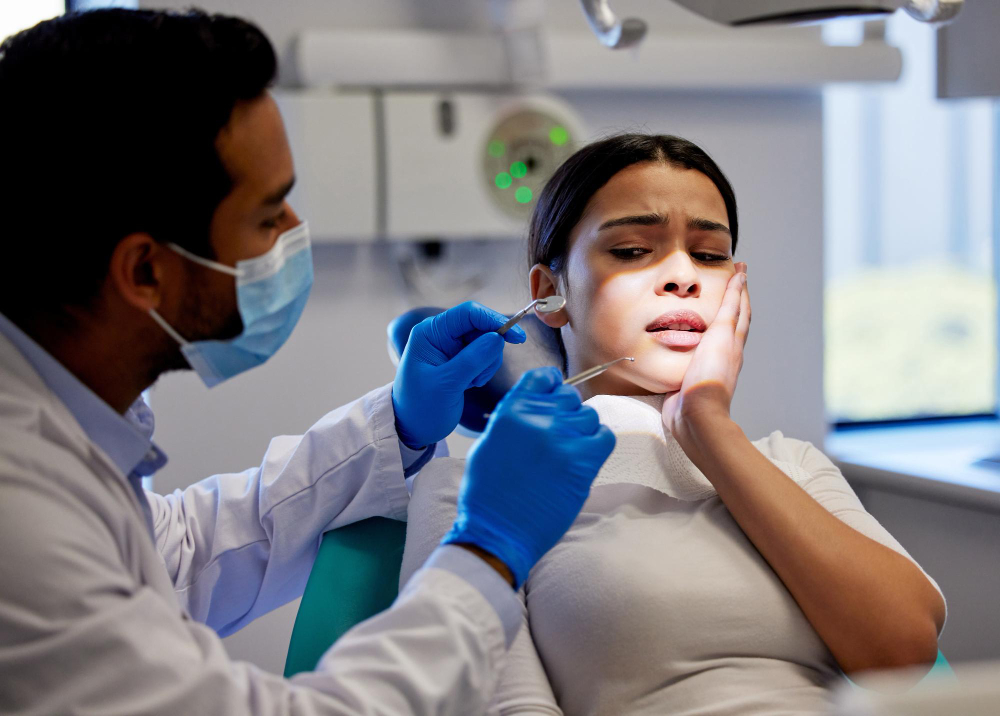
A dental emergency can happen at any time. It may involve sudden pain, injury, or damage to your teeth or gums. Knowing what to do in a dental emergency can help save your tooth and reduce pain. In this blog, you will learn about common dental emergencies, immediate steps to take, and when to seek emergency dental care. Acting quickly can make a big difference in your recovery.
Common Types of Dental Emergencies
Dental emergencies can take many forms. Some are more serious than others. However, all need quick attention. Here are some of the most common types:Toothache: Sudden or severe tooth pain that does not go away.Knocked-out tooth: A tooth that has been completely pushed out of its socket.Chipped or broken tooth: A tooth that is cracked, chipped, or broken.Lost filling or crown: A filling or crown that falls out, leaving the tooth exposed.Abscess: A painful, swollen area in the gums or near a tooth, often caused by infection.Bleeding gums or mouth: Uncontrolled bleeding after an injury or dental procedure.
Sometimes, swelling, fever, or trouble breathing can also signal a dental emergency. In these cases, you should act fast.
Immediate Steps to Take During a Dental Emergency
When a dental emergency happens, staying calm is important. Quick action can help prevent further damage. Here are steps you can take right away:Toothache: Rinse your mouth with warm water. Next, gently floss to remove any food stuck between teeth. Do not put aspirin on the tooth or gums.Knocked-out tooth: Pick up the tooth by the crown, not the root. If dirty, rinse gently with water. Try to place it back in the socket. If not possible, keep it in milk or saliva. Seek urgent dental treatment within 30 minutes.Chipped or broken tooth: Save any pieces. Rinse your mouth with warm water. Apply a cold pack to reduce swelling.Lost filling or crown: If possible, place the crown back on the tooth using dental cement. You can buy this at most drugstores. Otherwise, keep the area clean and avoid chewing on that side.Abscess: Rinse with a mild saltwater solution. This can help draw out infection. However, do not try to pop or drain the abscess yourself.Bleeding: Apply gentle pressure with a clean cloth or gauze. If bleeding does not stop after 10 minutes, seek emergency dental care.
For all dental emergencies, avoid eating hard foods and do not use sharp objects in your mouth. Acting quickly can help save your tooth and prevent infection.
When to Seek Professional Dental Care
Some dental emergencies need urgent dental treatment from a dentist. But how do you know when to go? Here are signs you should seek help right away:Severe pain that does not go awayBleeding that will not stopSwelling in your face or jawFever or signs of infectionKnocked-out or loose toothTrouble breathing or swallowing
If you have any of these symptoms, call your dentist or visit an emergency dental clinic. In some cases, you may need to go to the hospital, especially if you have trouble breathing or severe swelling. The American Dental Association and CDC recommend seeking care as soon as possible for these issues.
Prevention Tips for Dental Emergencies
While not all dental emergencies can be avoided, many can be prevented. Here are some tips to help you protect your teeth and gums:Brush and floss daily to keep your mouth healthyVisit your dentist for regular check-ups and cleaningsWear a mouthguard during sports or physical activitiesAvoid chewing hard foods like ice, popcorn kernels, or hard candyDo not use your teeth to open packages or bottlesReplace worn-out dental work as advised by your dentist
By following these steps, you can lower your risk of a dental emergency. Good oral care is your best defense.
Frequently Asked Questions About Dental Emergencies
What should I do if I lose a tooth?
Act quickly. Try to place the tooth back in the socket. If not possible, keep it in milk and see a dentist right away.
Can I wait to see a dentist if I have a toothache?
Sometimes, mild pain can wait. However, if pain is severe or lasts more than a day, seek emergency dental care.
Is a chipped tooth a dental emergency?
It depends. If you have pain, bleeding, or sharp edges, see a dentist soon. Otherwise, call your dentist for advice.
How can I manage pain before seeing a dentist?
Use a cold pack on your cheek. You can also take over-the-counter pain medicine, but follow the label instructions.
Should I go to the hospital for a dental emergency?
Go to the hospital if you have trouble breathing, severe swelling, or heavy bleeding. For other issues, call your dentist first.
In summary, if you experience a dental emergency, consult SJ Apex Dental Clinic immediately for personalized care. Quick action can help save your smile and prevent further problems. Our dental specialists are here to provide the care you need in urgent situations.


